

If you use a manual wheelchair but sometimes find yourself wanting to make getting around easier or a little more power, a wheelchair power assist could make a huge difference.
go further, faster, easier.
Whether you’re tackling hills, travelling further, dealing with fatigue, heading off-road or simply trying to reduce the effort required to get through the day, power assist systems can give you an extra boost without moving away from the manoeuvrability and flexibility of a manual wheelchair.
But with so many different systems available, choosing the right one isn’t always straightforward. There are compact rear-mounted systems, front-mounted power attachments and powered wheels – all with a massive range of options.
Some are designed to provide a gentle push when you need it, while others can turn a manual wheelchair into a seriously capable outdoor machine.
You don’t have to be unable to self-propel to benefit from power assist.
For some wheelchair users, the issue is distance. You might be perfectly comfortable pushing around the house or to the local shop but struggle pushing on long days.
For others, hills are the problem. Steep inclines can be a nightmare for shoulder fatigue and upper body/ cardio endurance.
For someone else, exploring without worrying about whether they’ll have enough energy or struggle to get home is a huge priority
Power assist systems provide a vital middle ground between a manual wheelchair and a powerchair by allowing you to retain all the benefits of an active manual wheelchair while adding assistance when you need it.
What is a wheelchair power assist system?
A wheelchair power assist is an electric system designed to provide additional power to a manual wheelchair. Rather than replacing your manual wheelchair with a fully powered chair, a power-assist system works alongside it to:
-
Provide additional assistance while you push.
-
Propel the wheelchair for you.
-
Help you tackle hills and longer distances.
-
Make outdoor and uneven surfaces easier to manage.
-
Reduce the effort required for everyday wheelchair use.
-
Extend how far you can comfortably travel.

Rear Mounted
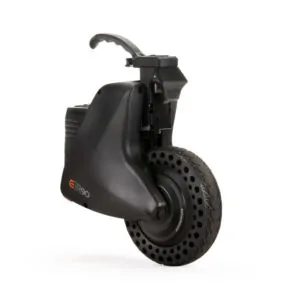
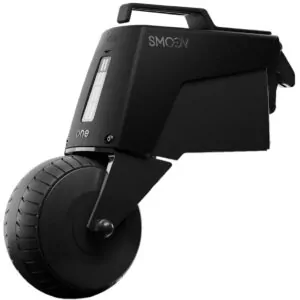
Rear-mounted systems attach to the underside or rear of the wheelchair and use a powered wheel to help propel the chair – Some of the best-known examples are the SmartDrive, SMOOV One and the Empulse R90.
All are designed to provide assistance while retaining the existing footprint of the manual wheelchair and can be attached and removed when required. Ideal for those who want something compact and easy to transport.
They’re particularly attractive if you:
1. Want to keep your manual wheelchair compact.
2. Regularly put your wheelchair into a car.
3. Want assistance without a large attachment at the front.
4. Still want to manually propel when you choose.
5. Need additional help with longer distances or hills.

Front Mounted
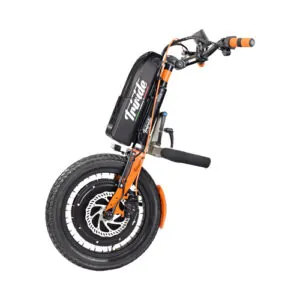
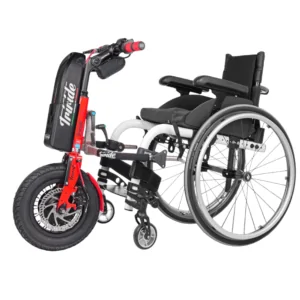
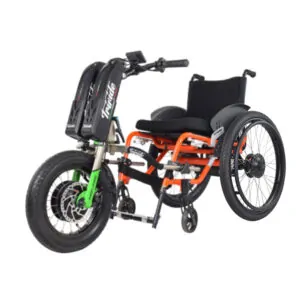
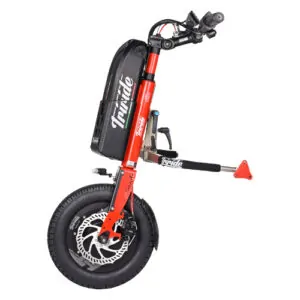
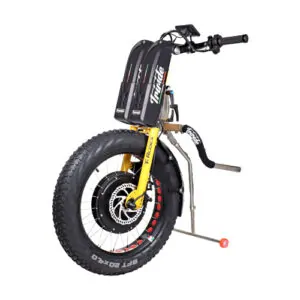
Front-mounted systems attach to the front of your wheelchair and provide powered drive through a larger front wheel. They turn the wheelchair into a powered three-wheel configuration with an easy to use handlebar for steering and braking.
From compact everyday systems through to higher performance models intended for more demanding terrain, brands such as Triride offer high torque models, the Rehasense ECO Assist fits almost any chair, P.A.W.S systems specialise in auto clamp / lift features and Klaxton with its unique “Click” mounting bracket all make getting around and over uneven terrain much easier.
This style can be particularly appealing if you:
1. Want significantly more power.
2. Regularly travel outdoors.
3. Deal with hills.
4. Want to tackle grass, gravel or rougher surfaces.
5. Want to travel longer distances.
6. Enjoy exploring.

Power-assist Wheels
Another approach is to integrate the motors into the wheelchair’s wheels.
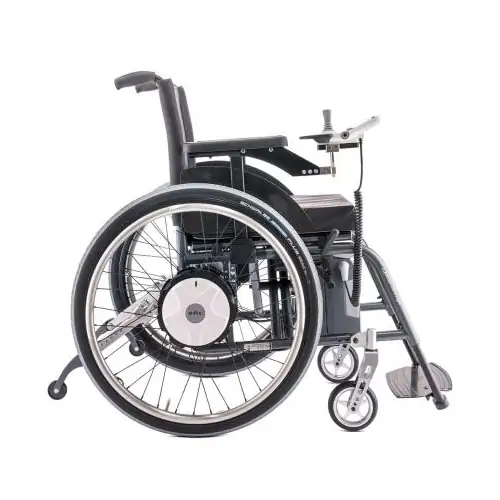
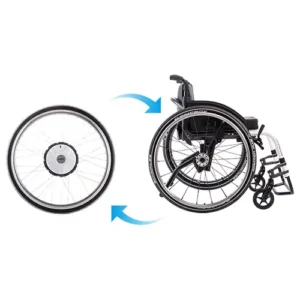
Instead of attaching a separate powered unit, you can simply swap out your day-to-day wheels for wheels with hub motors integrated into them. e-Motion wheels are controlled via the pushrim sensors whilst the E-fix system has a sleek joystick for ease of use.
Power-assist wheels can be particularly interesting if you:
1. Want to maintain a conventional wheelchair appearance.
2. Want the smallest footprint possible when using your wheelchair.
3. Prefer easier transfers or not having to attach a large device to your chair.
Which is the best system?
This is probably the most common question we get and unfortunately, there isn’t a simple answer. The best power assist isn’t necessarily the one with the highest top speed, longest range or biggest motor – its the one that works seamlessly with you, your wheelchair and your lifestyle.
Think about:
1. Where do you use your wheelchair?
2. How far do you normally travel?
3. How much assistance do you actually need?
1. A mix of indoor and outdoor environments: Because the motor mounts under/ behind the axle, it keeps your chair’s original footprint narrow and agile enough for indoor doorways, offices, and shopping centres while handling outdoor inclines easily.
2. Moderate to long distances (3–10 miles): Great for daily routines, navigating cities, long workdays or tackling steep hills in your local town.
3. On-demand / Cruise control: Units are typically activated via a wristband or frame mounted controller. You push or tap to start, and the motor maintains your speed until you tap to stop, saving your shoulders from fatigue while letting you steer manually.
1. Primarily outdoors: Excellent for rough terrain, grass, gravel, cobbles, and uneven city pavements. It lifts your front castors off the ground, turning your manual chair into a sturdy trike that won’t get stuck in cracks or soft ground.
2. Long distances (5–15+ miles): Ideal for long commutes, park loops, or day trips where you want to maintain high cruising speeds over extended periods.
3. Full motor control: You steer with handlebars and control speed via a throttle, requiring no upper-body push effort once engaged.
1. Everyday indoor and semi outdoor settings: Ideal for tight spaces, homes, shops, flat outdoor paths, and light slopes where maintaining precise control in tight quarters is key.
2. Short to moderate distances (1–5 miles): Designed for daily active living, moving around at work or home, and conserving energy throughout daily errands.
3. Proportional / Direct push amplification: Sensors in the pushrims sense how hard you push and multiply your natural strength (e.g., giving 2x or 3x power to every stroke) It keeps the active feel of manual pushing while significantly reducing strain on your joints.
Can I fly with my power assist?
Flying with a wheelchair can be daunting but with the helpfulness of power assist, your holiday doesn’t have to be hard work.
Most airlines restrict individual lithium-ion batteries in the cabin or cargo to 300Wh max (or two 160Wh spares) but with flight safe batteries you can take your power assist system with you and spend more time enjoying your break than worrying about getting around.
Flight safe batteries are under 300Wh (around 8Ah to 9Ah) and allow you to drive right up to the plane door before taking the battery off with you and checking the main system. Some power assist system already have smaller batteries, some may require the smaller IATA-compliant flight batteries – its always best to check your battery watts and clarify what’s allowed by your airline.
Typically its two very simple steps:
1. Pre-Check: Notify your airline at least 48 hours before departure and check your specific model’s Watt-hour (Wh) rating label.
2.Battery Removal: Detach the lithium battery from the power assist unit and take it into the passenger cabin with you, while the main system is gate-checked.
The importance of a proper assessment
We recommend an assessment where we can look at your existing wheelchair, how you use it, where you want to go and what you want to achieve before recommending a system that will work for you and your needs. We offer a range of wheelchair power assist systems with several held as demo units for you to try.
We don’t believe there is a single “best” wheelchair power assist – We believe there is a best option for you.

Remember a specification sheet can't tell you:
-
How the system will feel on your wheelchair
-
Whether you can comfortably control it
-
How easy it is to attach
-
Whether you can attach and remove it independently
-
How it handles hills
-
How it changes your turning circle
-
Whether you feel stable
-
Whether it fits your lifestyle
If you’re unsure where to start, have a look through some of our most popular power add-ons below or get in touch!
Power Assist Systems
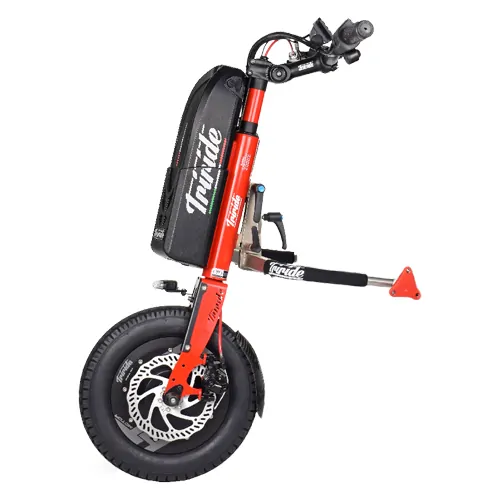
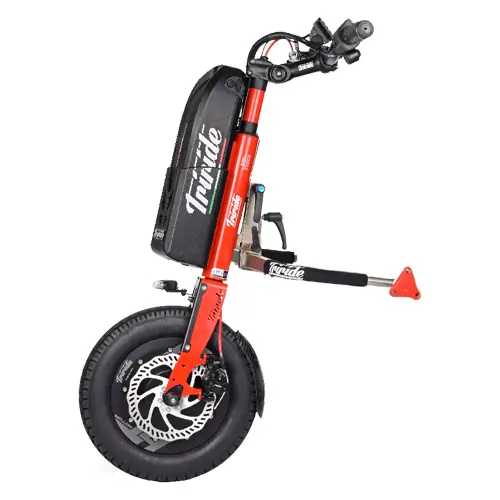
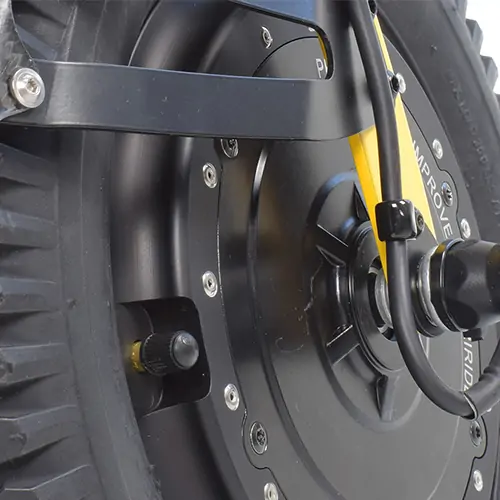
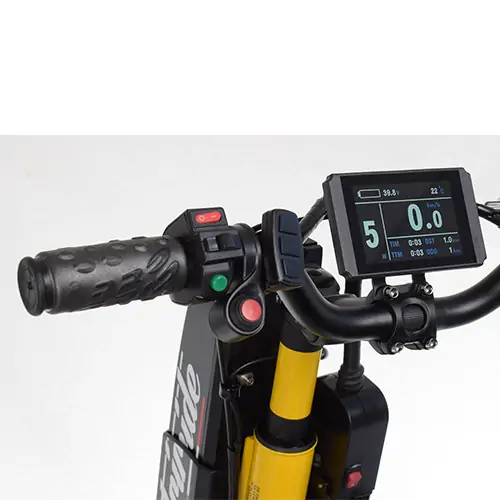
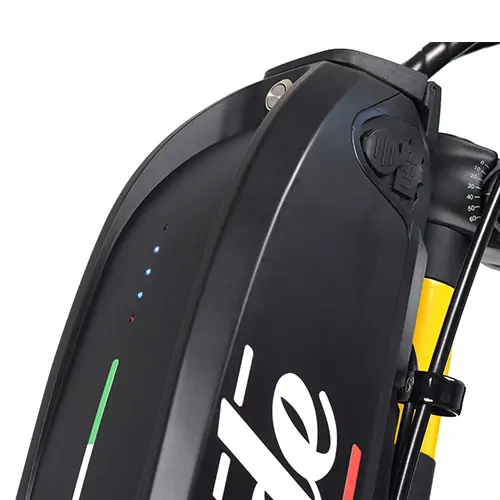
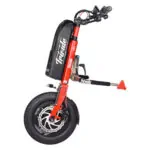
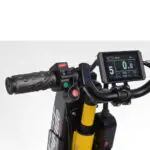
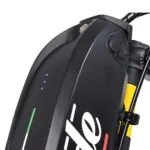
Triride Special Compact HT
All TriRides require an assessment before purchasing.
Please
get in touch to discuss specifications and fitment.
High torque at your fingertips!
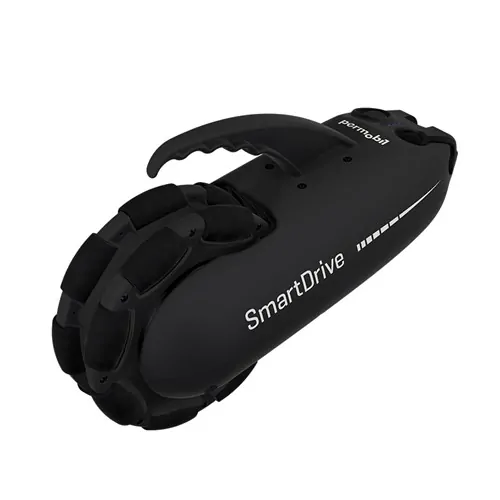
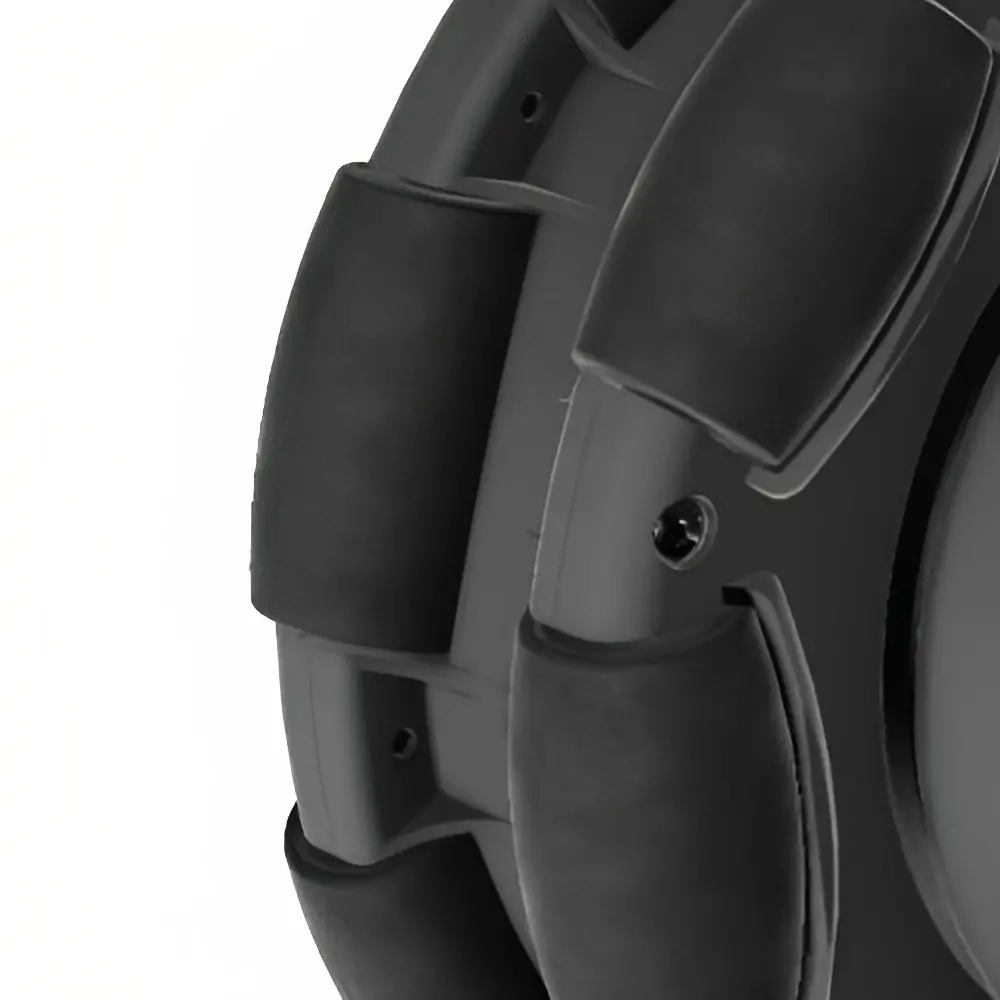
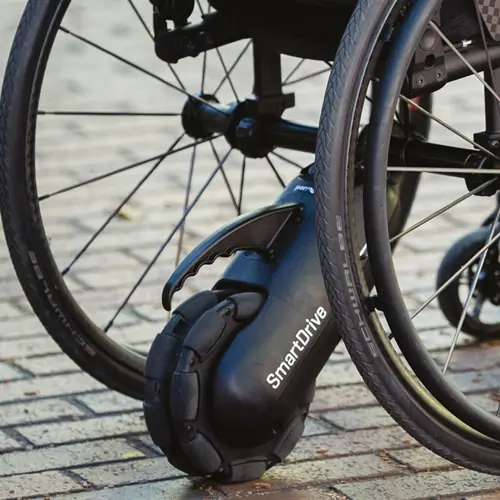

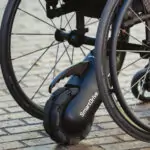
SmartDrive MX2+
This product will need an assessment before ordering.
SmartDrive provides manual wheelchair users the option of a helping hand when needed.

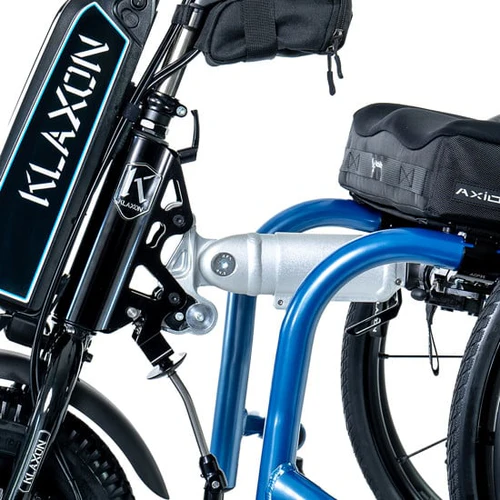


Klaxon Klick Light
The lightest motor in the entire Klaxon Klick range, an ideal companion for your travels. Don’t be fooled by its size! Thanks to its 750W motor and 12” wheel, inclines will never be an issue. This product will need an assessment before ordering.

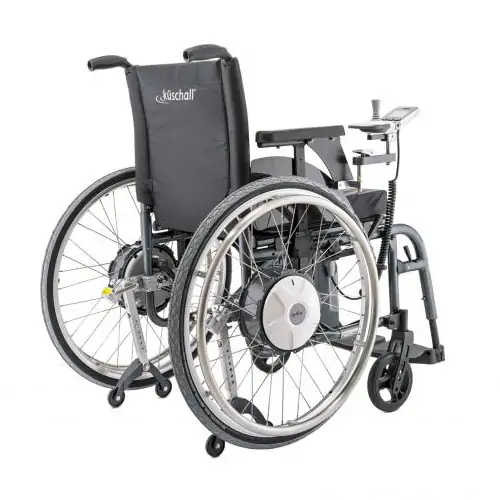


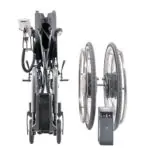
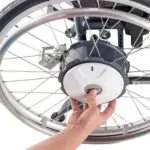
Alber e-Fix E35/36
This product will need an assessment before ordering.
The Alber e-fix is a great way to add power and mobility to your manual wheelchair. It is lightweight, compact, and easy to use, making it the perfect companion for your travels.
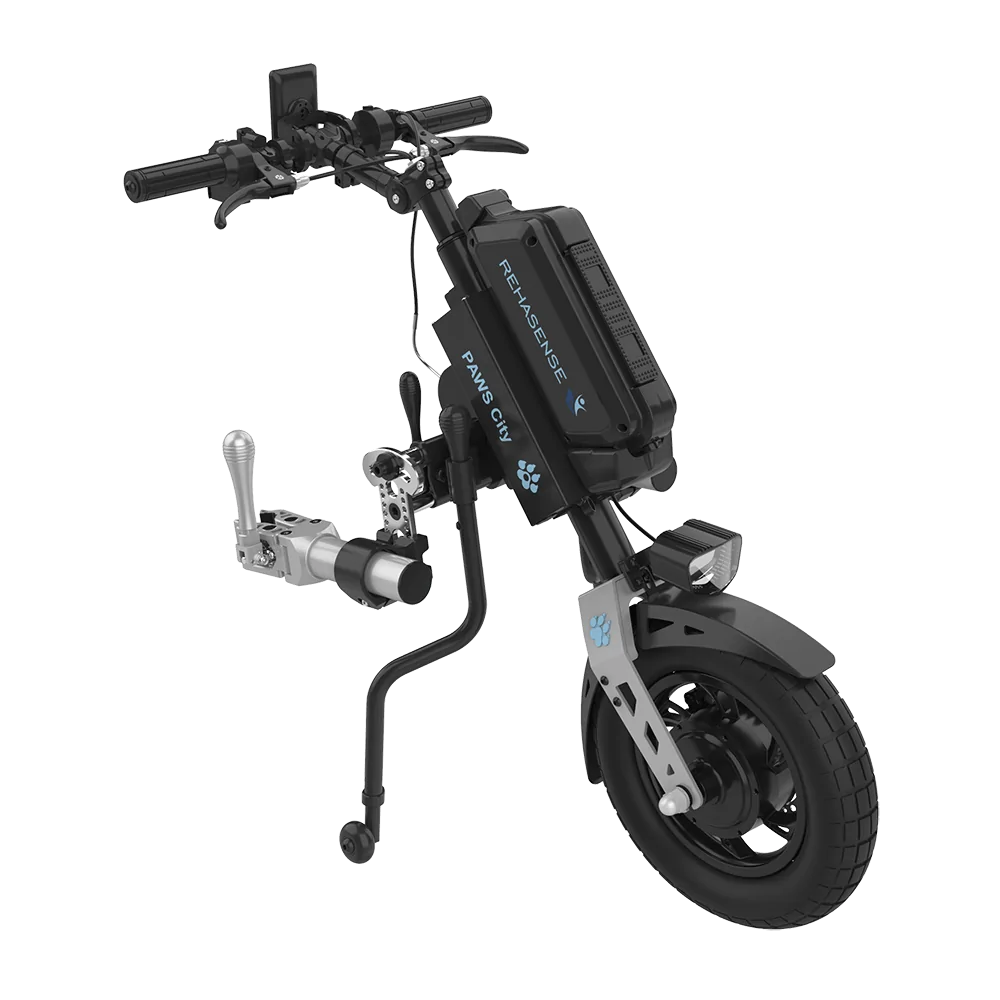
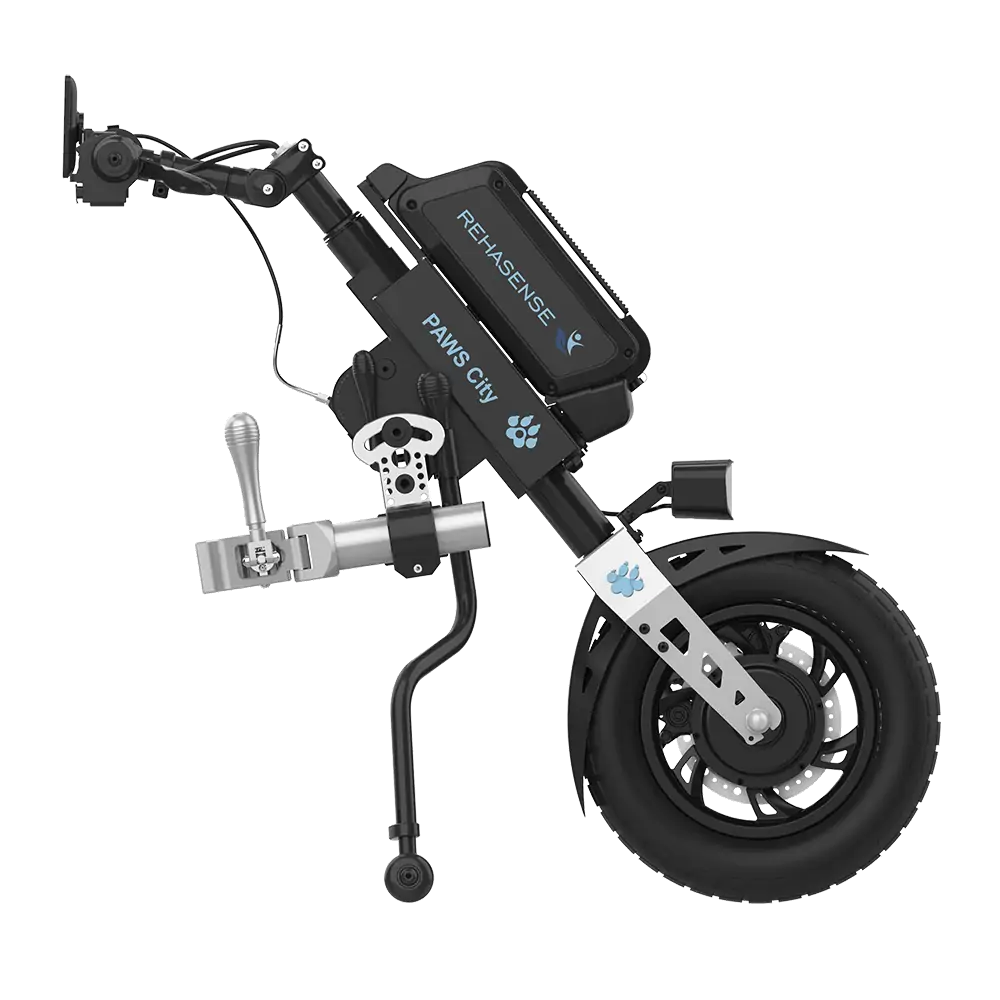




PAWS City 14"
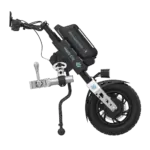
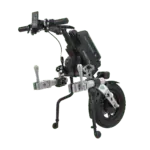
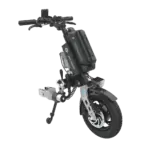
PAWS, short for Power Assisted Wheelchair Systems. PAWS is a great alternative to the car and is ideal for longer trips in the city and the countryside. It has the easiest and most universal docking system on the market and offers several practical features that make it easy and comfortable to use. Please note all PAWS orders will need an individual assessment before purchase, this is to guarantee correct size, controls and clamps for you and your chair.
Add-Ons & Power Assist
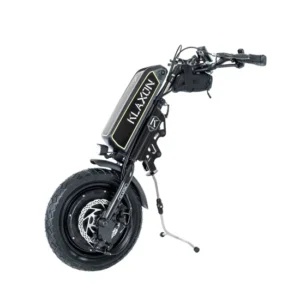
Klaxon Klick Race
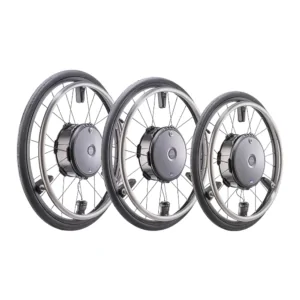
Alber e-Motion M25 / DuoDrive Wheels
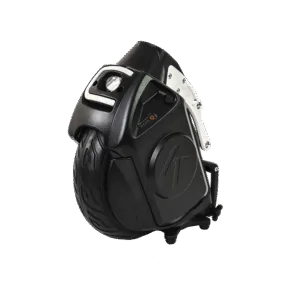
Klaxon Twist
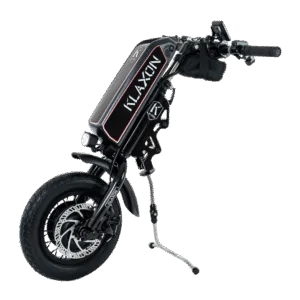
Klaxon Klick Light
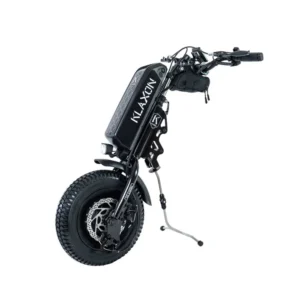
Klaxon Klick Scrambler
Empulse R90 Power Assist


TriRide TriBike E Hybrid

TriRide TriBike Manual
Alber e-Fix E35/36


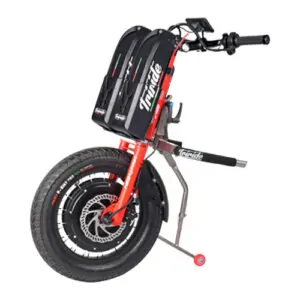
Triride Mad Max

Rehasense Eco Assist

Off Road Wheelchair Pack (Rigid Frame)

Off Road Wheelchair Pack (Folding Frame)

SmartDrive MX2+
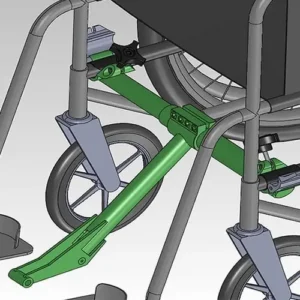


PAWS Tourer 20 x 2.12″

PAWS Tourer 20 x 4.0″ FAT

PAWS Cruiser 16″

PAWS City 14″

PAWS City 12″
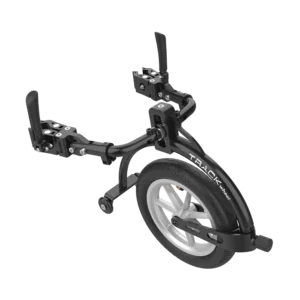
Rehasense Track Wheel (Double Arm)
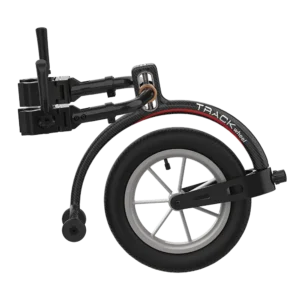
Rehasense – Track Wheel (Double Arm Carbon)
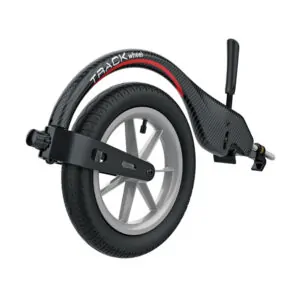
Rehasense Track Wheel (Single Arm)
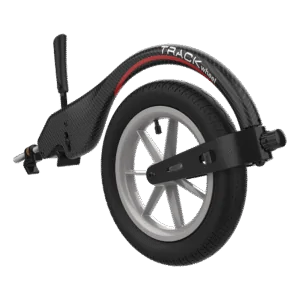
Rehasense – Track Wheel (Single Arm Carbon)